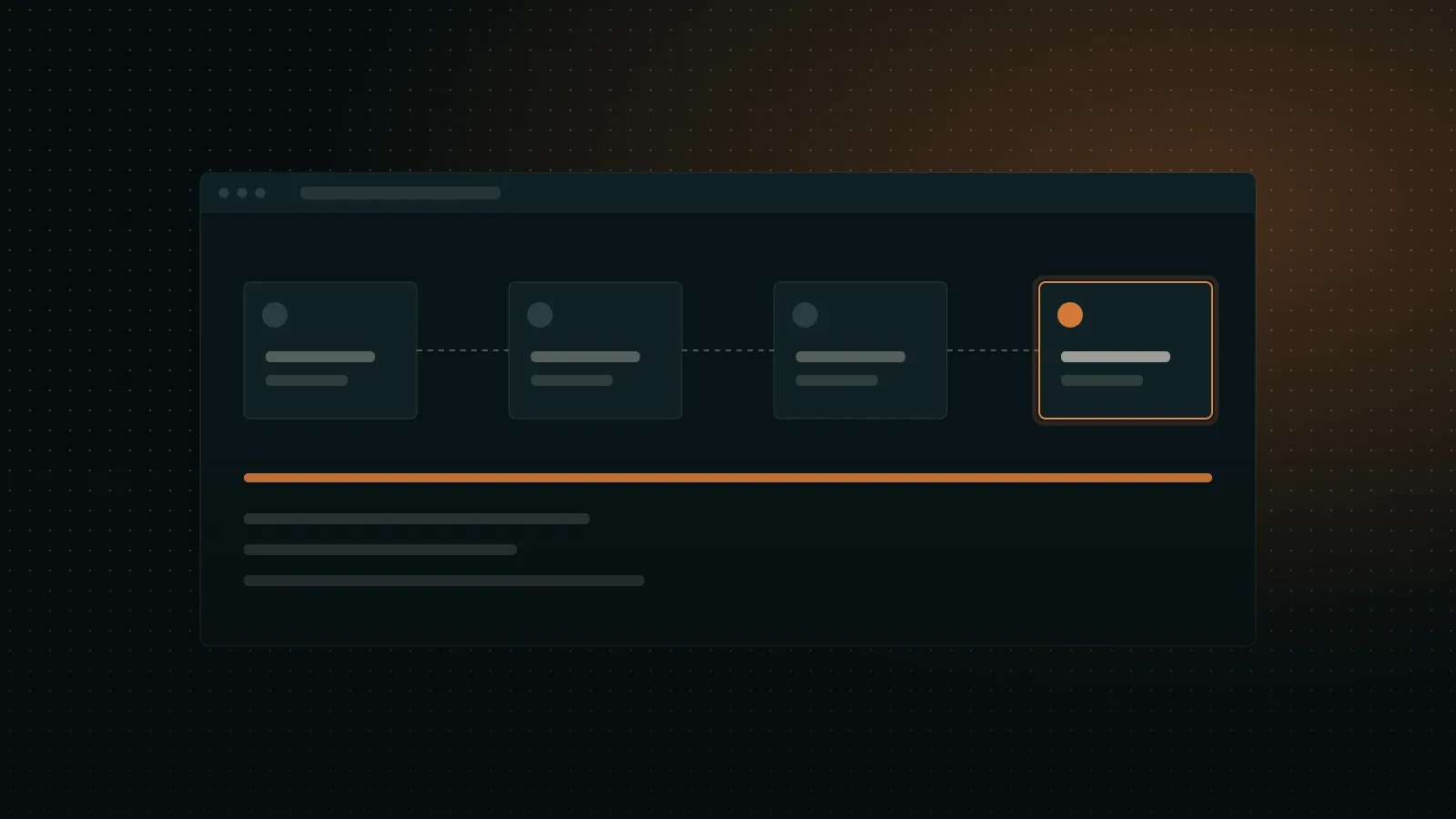
Coolify is a free, open-source platform for publishing and running web apps, websites and databases on your own servers. It takes over much of what services like Vercel, Heroku or Netlify do, from deploying via Git to SSL certificates. The servers belong to you, and you decide where your data lives. We run this website with Coolify too.
What is Coolify?
Coolify describes itself as "an open-source and self-hostable alternative to Vercel, Heroku, Netlify and Railway". The source code is on GitHub under the Apache 2.0 license, where the project has collected over 63,000 stars. There are no paid extra features: what the cloud version can do, the self-hosted one can do as well.
Technically, Coolify is built on Docker. You install it on one server and connect more servers via SSH, such as a rented server from a hosting provider in Germany, a cloud instance or a machine in your own office. Coolify packages your applications into containers and takes care of running them.
What Coolify takes off your hands
- Deploying via Git: You connect a repository on GitHub, GitLab, Bitbucket or Gitea. Every change on the chosen branch goes live automatically. If you like, each pull request gets its own preview.
- SSL certificates: Coolify sets up Let's Encrypt certificates for your domains and renews them on its own.
- Databases: PostgreSQL, MySQL, MariaDB, MongoDB, Redis and more can be created in a few clicks.
- Backups: Databases are backed up automatically to S3-compatible storage and can be restored from there.
- Ready-made services: Over 360 open-source applications install with one click, for example for automation, analytics or customer chat.
- Multiple servers: You manage all servers and projects in one interface.
Why self-host?
Your data stays where you want it. If the server is in a data center in Germany, that's where your applications and databases are too. That makes conversations with your data protection officer much easier than with services whose servers you don't know.
Costs stay predictable. You pay a fixed monthly price for the server. With many platform services, costs grow with traffic, build minutes or team size.
You can switch at any time. Coolify uses Docker, an open standard. Your applications keep running without Coolify if you ever decide differently.
Where the limits are
Self-hosting also means you're responsible. Nobody else looks after the server, its updates and the backups.
That applies to Coolify itself in particular. In January 2026, eleven critical security flaws were disclosed, rated 9.4 to 10 out of 10. Several of them let logged-in users run commands with root privileges on the managed servers. More flaws followed over the year and were closed in new versions. Coolify has access to all your servers, so keep it up to date, hand out accounts sparingly and avoid making the interface freely reachable from the internet.
Coolify is also no replacement for a large container platform like Kubernetes. It fits a handful of applications and websites well. If you spread hundreds of services across many data centers, you need different tools.
How we use Coolify
This website is built with Astro and lives on GitHub. As soon as we push a change to the development branch, Coolify rebuilds the site and publishes it to our test environment. Many of our internal tools run on Coolify as well, self-hosted on servers in Germany. You can see which ones on our stack page.
Who is Coolify for?
- You have several web apps, websites or internal tools and want to run them in one place.
- It matters to you that data lives on your own servers in Germany or the EU.
- Bills from Vercel, Heroku and the like have become too unpredictable for you.
- You have someone on your team, or a partner, who takes care of updates and security.
If the last point doesn't apply, a managed service is often the better choice. We'll tell you that too.
Sources
- Coolify: website, source code and license on GitHub
- The Hacker News: Coolify discloses 11 critical flaws
- Centre for Cybersecurity Belgium: warning on critical Coolify vulnerabilities
- SC World: Nearly a dozen Coolify flaws put servers at risk
As of 23 October 2026.


